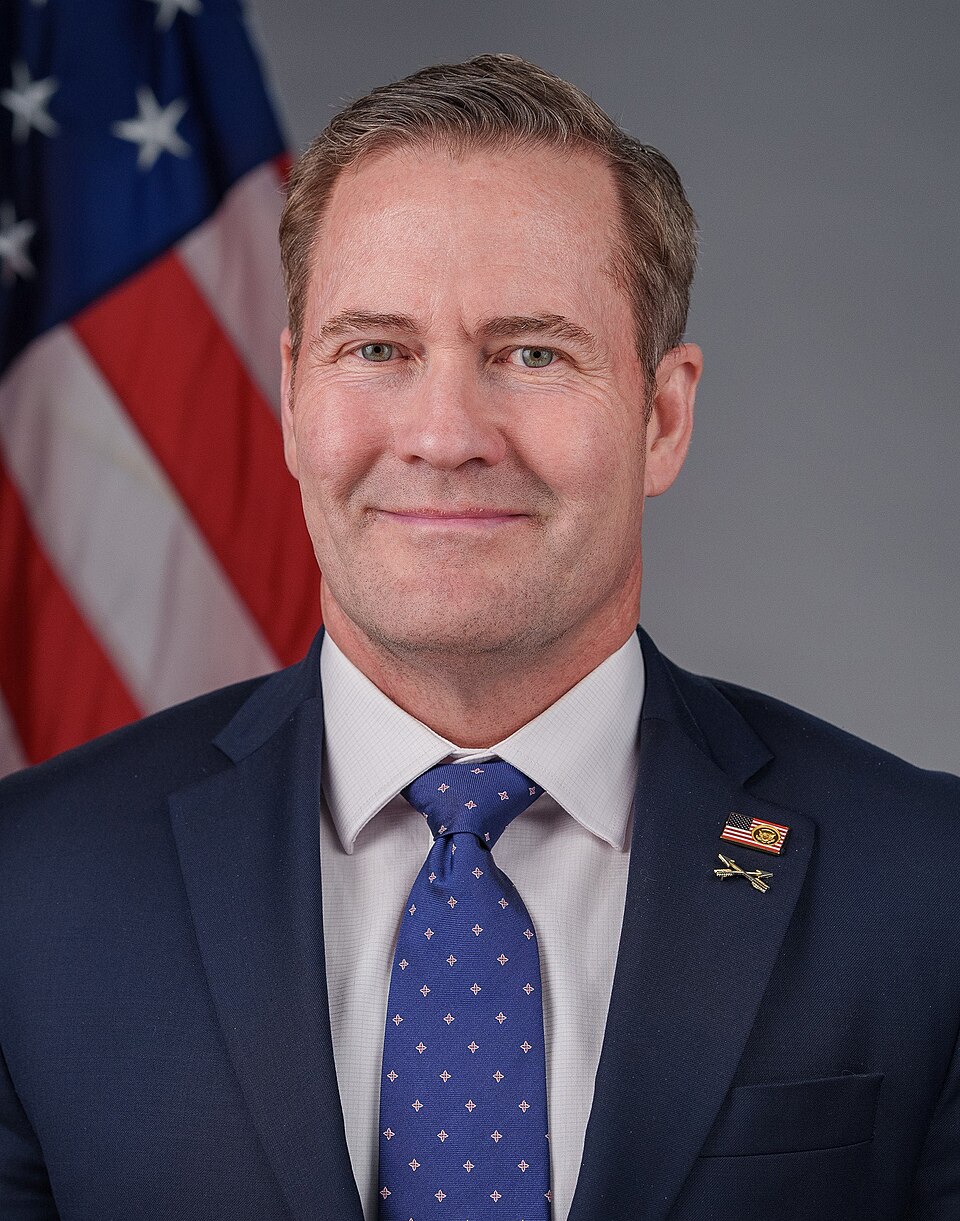
Michael McCaul's $200M Fortune: Inside the Texas Rep's Wealth
In the high-stakes world of Washington D.C., financial disclosures offer a rare glimpse into the personal fortunes of public servants. Among the wealthiest members of the U.S. Congress, Representative Michael McCaul stands out, with an estimated Michael McCaul net worth hovering around an impressive $200 million. Far from the typical trajectory of a career politician, McCaul's substantial wealth primarily stems not from his decades in public service, but from a deeply rooted family legacy—that of his wife, Linda Mays McCaul, and her illustrious father, media mogul Lowry Mays.
This article delves into the intricate details of McCaul's financial landscape, exploring the origins of his considerable assets, his significant roles in Congress, and the recent controversies that have placed his financial dealings under public scrutiny. Understanding Michael McCaul's wealth is not merely about numbers; it's about appreciating the intersection of inherited fortune, political power, and the ethical challenges inherent in holding public office.
The Foundations of Fortune: Tracing the Mays Family Legacy
To truly understand the impressive scope of Michael McCaul net worth, one must look beyond his political career and acknowledge the profound influence of his marital ties. McCaul's wife, Linda Mays McCaul, is the daughter of Lowry Mays, a name synonymous with American media and the founder of Clear Channel Communications. This media giant, now known as iHeartMedia (NASDAQ: IHRT), revolutionized the radio industry, growing into one of the largest owners of radio stations and outdoor advertising in the United States and globally.
Lowry Mays’ entrepreneurial vision and business acumen created a colossal empire, generating immense wealth for his family. It is from this formidable legacy that a significant portion of Michael McCaul's fortune originates. While McCaul has forged a distinguished career in law and politics, his personal financial standing was fundamentally transformed through his marriage into the Mays family. This inherited wealth makes him an anomaly among many of his congressional colleagues, who often build their fortunes through long careers in law, business, or investments prior to entering politics.
The story of McCaul's wealth is a compelling illustration of how inherited assets can dramatically shape the financial profile of a public figure. It also highlights the different pathways to significant wealth for those in the political arena, often raising questions about transparency and potential conflicts of interest. For a deeper dive into this aspect, consider reading How Michael McCaul Became One of Congress's Richest Members.
Michael McCaul's Political and Legal Career: A Journey of Influence
Before his significant financial profile became a topic of public discussion, Michael McCaul built a robust career in law and public service. An attorney by profession, McCaul served as a federal prosecutor and later as Chief of Counterterrorism and National Security for the Texas branch of the U.S. Attorney’s office. This background equipped him with invaluable experience in national security and legal frameworks, laying the groundwork for his eventual entry into federal politics.
Since 2005, McCaul has proudly represented Texas’s 10th congressional district as a member of the Republican Party. Over his extensive tenure, he has ascended to prominent positions within the House of Representatives, demonstrating his influence and commitment to critical national issues. Most notably, he has served as Chairman of the House Committee on Homeland Security and, more recently, as Chairman of the House Committee on Foreign Affairs. These roles place him at the forefront of policy-making concerning national security, international relations, and global challenges, showcasing a political career defined by significant responsibility and strategic leadership.
Dissecting the Disclosure: Assets and Financial Footprint
The U.S. financial disclosure system, governed by acts like the STOCK Act, aims to provide transparency regarding the financial dealings of elected officials. Based on his latest financial disclosure reports, the estimated Michael McCaul net worth falls within a precise range of $157,830,685 to $223,151,052. What's particularly striking about these disclosures is the absence of any reported liabilities, suggesting a very strong financial position.
McCaul's asset portfolio is extensive and diversified, with over 50 individual assets valued at more than $1 million each. These assets typically represent a mix of real estate holdings, investment funds, and stakes in various businesses, reflecting sophisticated wealth management. Some of the notable assets reported include:
- Countryside Plaza LTD
- Southwest Junction LTD
- MZG Net Lease Funding LTD
- MZG Real Estate LTD
- Sasco/El Prado Steel
These entities often represent interests in commercial real estate, investment vehicles, or private equity, which are common ways for high-net-worth individuals to manage and grow their wealth. The sheer volume and value of these assets underscore the substantial nature of his fortune. The financial disclosure system, while offering a range rather than exact figures, still paints a clear picture of McCaul's considerable financial resources and investment strategy. To gain a deeper understanding of these specific holdings, you may find Unpacking Michael McCaul's Finances: Assets from Disclosure Report particularly informative.
Controversy and Congressional Ethics: The Meta Stock Purchase
Even for seasoned politicians, financial dealings can sometimes lead to public scrutiny and accusations of impropriety. Michael McCaul faced such a situation in April 2024 when he purchased approximately $350,000 worth of Meta (NASDAQ: META) stock. The timing of this transaction raised eyebrows because it occurred just before Congress was set to vote on a bill that could potentially ban TikTok in the U.S. Critics suggested that a ban on TikTok could benefit Meta by reducing competition in the social media landscape, thereby potentially increasing the value of Meta's stock.
This incident quickly sparked suspicions of insider trading, a serious ethical concern for public officials. In response, McCaul’s spokesperson clarified that the trades were executed by a third-party investment manager and not directly by McCaul himself. They further asserted that McCaul's actions and voting decisions were not influenced by any potential financial gain. While such third-party management is a common practice for public figures to avoid direct conflicts, the perception of impropriety often remains, highlighting the complex ethical tightrope politicians must walk.
This episode serves as a powerful reminder of the importance of strict ethical guidelines and transparency in financial dealings for members of Congress. The public expects elected officials to act solely in the public's interest, free from the influence of personal financial gain. Such events underscore the ongoing debate about strengthening laws like the STOCK Act to ensure that public trust in government remains intact.
Conclusion
Michael McCaul's impressive net worth, estimated to be around $200 million, solidifies his position as one of the wealthiest members of the U.S. Congress. His financial standing is primarily a legacy inherited through his wife, Linda Mays McCaul, from her father, Lowry Mays, the founder of Clear Channel Communications. Despite a distinguished legal and political career, it is this connection to a media empire that defines the majority of his personal fortune.
His latest financial disclosures reveal a substantial and diverse asset portfolio with no reported liabilities, painting a picture of robust financial health. However, like many high-profile figures, McCaul has faced scrutiny, most notably concerning a timely Meta stock purchase. These incidents underscore the critical need for unwavering transparency and ethical conduct in public office, even when financial decisions are managed by third parties. As Rep. McCaul continues his influential work in Congress, his substantial financial footprint will undoubtedly remain a point of public interest and analysis.
